
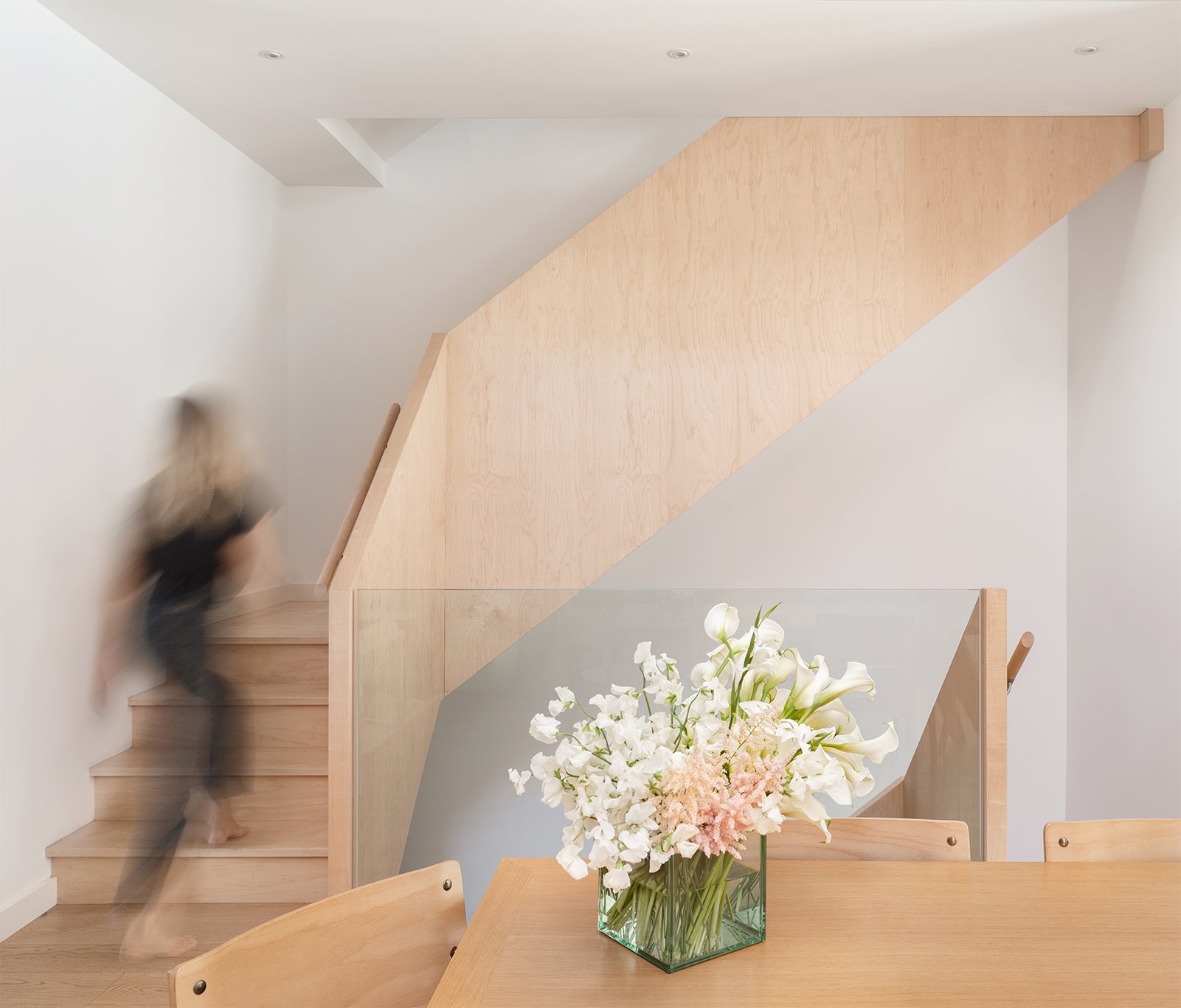
Real Estate Photography in Toronto — What Agents Should Know
Real estate photography in Toronto has evolved well beyond simple listing documentation. Today's buyers expect imagery that communicates atmosphere, architecture, and lifestyle — and agents who invest in professional real estate media consistently outperform those who don't. Editorial real estate photography blends technical precision with visual storytelling, helping properties stand out in one of the most competitive markets in the country. This guide covers everything Toronto agents should know about hiring a real estate photographer, what services are available, what to expect in terms of pricing and turnaround, and how to get the most out of your listing media.
What Does a Real Estate Photographer Do?
A professional real estate photographer creates visual media used to market and present properties online and across digital platforms. But the role has expanded significantly in recent years. Today's real estate photographers are closer to full-service media producers — handling everything from photography and video to 3D virtual tours, drone imagery, and social-first marketing content. Modern real estate media typically includes:
Professional interior and exterior photography — the foundation of any listing. This includes carefully composed, well-lit images of every room, exterior angles, and key architectural details. Cinematic property films — short-form video walkthroughs shot in 4K that give buyers a feel for the flow and atmosphere of a space. Matterport 3D virtual tours — interactive digital twins that let buyers explore a property room by room from anywhere in the world. Aerial drone photography and videography — capturing the full scope of a property, its lot, and its neighbourhood context from above. Floor plans and spatial layouts — schematic 2D plans that give buyers clarity on room dimensions, flow, and livability. Social media content — platform-native reels, teasers, and branded content designed for Instagram, TikTok, and Facebook.
These assets work together to create a cohesive presentation that attracts buyers, strengthens agent branding, and positions listings at the highest possible standard.
What Services Do Toronto Real Estate Agents Need?
Toronto agents increasingly rely on complete media packages rather than standalone photography sessions. The days of booking just a photographer for 30 minutes are fading — high-performing listings now combine multiple media formats to maximize exposure and engagement across MLS, social media, email marketing, and agent websites.
For a standard listing in Toronto, most agents will need professional photography at minimum. For properties above the $1M mark, adding a property film and floor plan has become the norm rather than the exception. For luxury listings, pre-construction marketing, and design-forward properties, the full suite — editorial photography, cinematic video, Matterport tour, drone imagery, floor plans, and virtual staging — is increasingly expected by sellers and buyers alike.
The key is matching the media package to the property and the audience. A downtown condo and a Rosedale estate have very different visual needs, and the best real estate photographers in Toronto understand how to tailor their approach accordingly.
How Much Does Real Estate Photography Cost in Toronto?
This is one of the most common questions agents ask, and the answer depends on the level of service, the size of the property, and the scope of the media package. Here's a general sense of what to expect in the Toronto market:
Standard real estate photography — the kind of clean, well-lit, market-ready imagery used for the majority of MLS listings — typically starts around $350+HST in Toronto. This covers a professional photographer, full editing, and next-day delivery. For most condos and mid-range residential properties, this is the most common starting point.
Editorial real estate photography — a more design-conscious, magazine-quality approach involving advanced lighting, styling cues, and cinematic composition — commands a higher rate, reflecting the additional time and expertise involved in both the shoot and post-production. Turnaround for editorial work is typically 3–4 business days.
Cinematic property films generally fall in a higher bracket depending on property size and complexity, with delivery in approximately 2 business days. Matterport 3D virtual tours, drone imagery, and floor plans are typically added as individual services or bundled into packages at a reduced rate. Floor plans are usually delivered next day.
The most important thing to understand about pricing is that real estate photography is a marketing investment, not an expense. The difference between standard listing photos and editorial-quality imagery can meaningfully affect how a property is perceived, how much attention it receives online, and ultimately how quickly and at what price it sells. Agents who invest in professional media consistently report stronger buyer engagement, more showings, and smoother sales.
Editorial vs Standard Real Estate Photography
Standard listing photography prioritizes coverage and efficiency. The goal is to document every room clearly, with consistent exposure and white balance, in a way that accurately represents the property. It's professional, reliable, and serves the majority of listings well.
Editorial real estate photography takes a fundamentally different approach. Rather than simply documenting a space, it interprets it. Light is shaped intentionally. Angles are chosen for emotional impact, not just coverage. Composition draws the eye through a room the way an architect intended it to be experienced. The result is imagery that feels less like a listing gallery and more like the pages of Architectural Digest or Dwell.
This distinction matters because different properties demand different approaches. A well-maintained semi in Leslieville needs clean, bright, trustworthy images. A custom-built home in Forest Hill with designer interiors and bespoke finishes needs imagery that honours the craft and investment that went into the space. The best real estate photographers in Toronto understand this distinction and adjust their approach accordingly.
One way to tell the difference: editorial work has a recognizable visual signature. At Jagged Lens, we hear this regularly from agents and industry peers — "I recognized your work before I even saw the logo." That kind of visual consistency is the hallmark of an editorial approach, and it's something that builds brand equity for both the photographer and the agents who work with them. View examples in our editorial portfolio.
How to Prepare Your Home for a Real Estate Photoshoot
Great real estate photography starts before the photographer arrives. The condition and presentation of a property on shoot day has a direct impact on the quality of the final images. Here's what agents and homeowners should do to prepare:
Clean thoroughly — and we mean thoroughly. Vacuum all carpets, mop hard floors, wipe down countertops, clean windows inside and out, and make sure bathrooms are spotless. Buyers notice details in photos that they might overlook in person.
Declutter every surface. Remove mail, personal photographs, kids' artwork on the fridge, knife blocks, small appliances, toiletries, and anything that makes a space feel busy or personal. The goal is to let the architecture and design breathe.
Turn on every light in the house and replace any burned-out bulbs. Open all blinds and curtains to let natural light in. Turn off all TVs and computer monitors. Remove garbage bins from view. Make all beds with clean, neutral bedding if possible.
For exterior shots, tidy the front entrance, put away garden hoses, move garbage bins out of sight, and clear any clutter from patios or balconies. If the property has a pool, make sure the water is clean and any pool equipment is stored.
If the property is vacant, talk to your photographer about virtual staging — it's one of the most cost-effective ways to transform empty rooms into aspirational spaces that buyers can emotionally connect with.
What to Expect on Shoot Day
A standard real estate photography session in Toronto typically takes between 45 minutes and 2 hours depending on property size and the scope of services. Editorial shoots take longer — often 2 to 4 hours — because of the additional care taken with lighting, composition, and styling.
Your photographer will typically work room by room, adjusting lighting and angles to capture each space at its best. For cinematic property films, expect the videographer to do multiple passes through the home with stabilized camera equipment, capturing smooth movement and transitional shots that will be edited into a polished final film.
If Matterport 3D scanning is part of the package, the operator will move through the property with a specialized camera, capturing 360-degree scans at multiple positions to build a complete digital model of the space.
For drone photography, a licensed drone pilot will fly the property's exterior, capturing aerial stills and video that show the full footprint, lot, and surrounding neighbourhood. All drone work is conducted in compliance with Transport Canada regulations.
Most photographers will ask homeowners to leave the property during the shoot, or at minimum to stay out of the rooms being photographed. Pets should be secured or removed if possible. The fewer distractions on shoot day, the better the results.
Turnaround Times — When Will I Get My Photos?
Turnaround time is one of the most important factors agents consider when choosing a real estate photographer, especially in a fast-moving market like Toronto where listings often go live within days of signing.
At Jagged Lens, our standard turnaround times are: next business day for standard photography and floor plans, 2 business days for cinematic property films, and 3–4 business days for editorial photography. Editorial work takes longer because each image goes through a more detailed post-production process — advanced colour grading, perspective correction, and retouching that standard processing doesn't require.
Rush delivery is available for time-sensitive listings. If you're working against a tight deadline, let us know when you book and we'll do everything we can to accommodate.
Does Professional Photography Actually Help Sell Homes?
The short answer is yes — and every working agent in Toronto already knows this intuitively. But the data backs it up too. Industry research consistently shows that professionally photographed homes sell faster and at higher prices than those with amateur or smartphone imagery. Listings with high-quality photos receive significantly more online views, more saves, and more showing requests.
But beyond the statistics, there's a qualitative dimension that's harder to measure and arguably more important: emotional impact. The best real estate photography doesn't just show a home — it makes someone feel what it would be like to live there. That emotional connection is what moves a buyer from browsing to booking a showing, and from a showing to an offer.
This is something we hear consistently from agents who work with Jagged Lens. Our property films, in particular, are described by viewers as calming and immersive — they don't just showcase a space, they place you inside it. Homeowners regularly tell us how much they love the content, and agents report receiving compliments on the imagery from colleagues, clients, and buyers. When your listing media is strong enough that people recognize the work before they see the brand behind it, that's when you know your photography is doing its job.
Choosing the Right Real Estate Photographer in Toronto
Selecting a real estate photographer involves more than comparing portfolios and pricing. The right photographer for your listing depends on a combination of factors: visual style, reliability, communication, turnaround speed, and understanding of the Toronto market.
Here's what to look for when evaluating a real estate photographer in Toronto:
Consistency across projects. Look at their portfolio and ask yourself: does the quality hold up across different property types and lighting conditions? A photographer who can make a bright, south-facing penthouse look great but struggles with a dark basement-level unit isn't consistent enough to rely on.
Architectural awareness. The best real estate photographers understand how to photograph spaces in a way that feels accurate and inviting. This means clean vertical lines, thoughtful framing, and compositions that make rooms feel spacious without distorting them.
Reliable turnaround. In Toronto's market, timing matters. A photographer who delivers beautiful work but takes a week to return files can cost you momentum on a listing. Make sure turnaround expectations are clear before you book.
A visual style that matches your brand. If you're a luxury agent, your listing media should reflect that. If you're focused on volume, you need someone efficient and reliable. The photographer's style should align with the audience your listings are targeting.
Full-service capability. The most efficient workflow is having one team handle everything — photography, video, drone, virtual tours, and floor plans. This ensures visual consistency across all your listing media and simplifies your booking process.
Who Is the Best Real Estate Photographer in Toronto?
The "best" real estate photographer depends on the property type, marketing strategy, and audience being targeted. Toronto's real estate media landscape includes multiple styles of photography, each serving different goals.
What defines a top real estate photographer?
Consistency across lighting conditions and property types. Accurate architectural perspective and clean vertical lines. A professional, reliable workflow with clear communication. A visual style that's aligned with the target buyer demographic. The ability to support both individual listings and ongoing brand marketing.
Different photographers serve different needs
High-volume listing photographers are optimized for speed and MLS coverage — they work fast, deliver quickly, and keep costs low. Marketing-focused media teams offer bundled services designed for efficiency, covering photography, video, and virtual tours in a single visit. Editorial real estate photographers take a design-driven approach focused on luxury presentation, architectural sensitivity, and cinematic storytelling.
Jagged Lens focuses on an editorial real estate photography approach, combining architectural sensitivity with cinematic storytelling. Our work has been featured in Architectural Digest, Dwell, Wallpaper, House & Home, Design Line Magazine, Toronto Life, Globe and Mail, and BlogTO. Explore recent photography projects and property films to see how this approach elevates Toronto listings.
Ultimately, the best photographer is the one whose visual language aligns with the property and audience it is meant to attract.
Real Estate Photography Across Toronto and the GTA
Jagged Lens serves agents, developers, homeowners, architects, and interior designers across the Greater Toronto Area. While our studio is based at 50 Carroll St in Toronto's Leslieville neighbourhood, we regularly shoot properties throughout the city and its surrounding suburbs.
Our service area includes Toronto (downtown, midtown, uptown, east end, west end), Mississauga, Vaughan, Oakville, Richmond Hill, Markham, Brampton, Burlington, Milton, Etobicoke, Scarborough, North York, Newmarket, Aurora, King City, Caledon, and Halton Hills. Travel fees may apply for locations outside of central Toronto — contact us for details.
Whether you're listing a condo in Liberty Village, a family home in Oakville, or a luxury estate in King City, we bring the same editorial standard to every shoot.
Ready to Elevate Your Next Listing?
Whether you're looking for standard listing photography, a full editorial media package, or anything in between, Jagged Lens is here to help you present your property at the highest possible standard. Explore our services, browse our portfolio, or book your next shoot today.